

As a supplier of FRP Plastic Transparent Roof Tiles, I often encounter inquiries from customers regarding the UV resistance of these products. In this blog post, I will delve into the science behind UV resistance in FRP plastic transparent roof tiles, exploring the factors that contribute to their performance and the benefits they offer.
Understanding UV Radiation and Its Effects
Ultraviolet (UV) radiation is a part of the electromagnetic spectrum that is invisible to the human eye. It is divided into three categories: UVA, UVB, and UVC. UVC radiation is mostly absorbed by the Earth's atmosphere and does not reach the surface. However, UVA and UVB radiation can have significant effects on various materials, including plastics.
Exposure to UV radiation can cause a range of problems in plastics, such as discoloration, embrittlement, and loss of mechanical properties. These issues can compromise the integrity and functionality of the material over time, leading to reduced lifespan and performance. For roof tiles, UV damage can result in a decrease in transparency, increased brittleness, and potential leaks, which can ultimately lead to costly repairs and replacements.
How FRP Plastic Transparent Roof Tiles Are Made UV-Resistant
Fiber Reinforced Plastic (FRP) is a composite material made up of a polymer matrix reinforced with fibers, typically glass fibers. To make FRP plastic transparent roof tiles UV-resistant, several strategies are employed during the manufacturing process.
One of the most common methods is the addition of UV stabilizers to the polymer matrix. These stabilizers work by absorbing or reflecting UV radiation, preventing it from reaching the underlying material. There are different types of UV stabilizers available, including absorbers and blockers. UV absorbers convert UV radiation into heat, which is then dissipated, while UV blockers reflect the radiation away from the material.

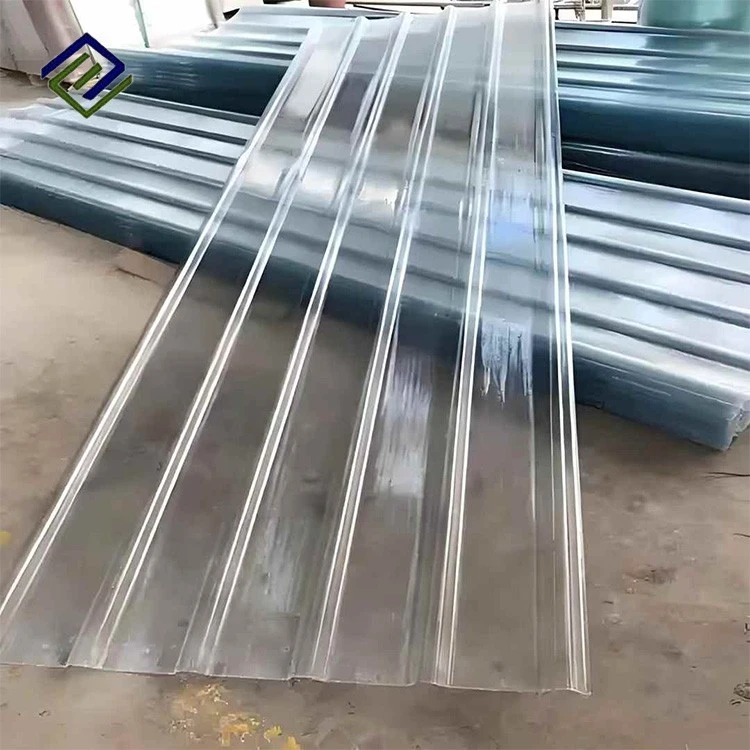
Another approach is the use of a protective gel coat on the surface of the roof tiles. The gel coat acts as a barrier, shielding the underlying FRP material from direct exposure to UV radiation. It is formulated with special additives that enhance its UV resistance and durability. Additionally, the gel coat can provide other benefits, such as improved weather resistance, chemical resistance, and aesthetic appeal.
Testing and Certification of UV Resistance
To ensure the quality and performance of FRP plastic transparent roof tiles, manufacturers conduct rigorous testing to evaluate their UV resistance. These tests simulate long-term exposure to UV radiation under controlled conditions, allowing manufacturers to assess the material's durability and performance over time.
One of the most widely recognized tests for UV resistance is the ASTM G154 standard, which specifies the procedures for operating fluorescent UV lamp exposure devices. This test measures the changes in color, gloss, and mechanical properties of the material after a specified period of exposure to UV radiation. Another important test is the ISO 4892-3 standard, which evaluates the resistance of plastics to artificial weathering using a xenon arc lamp.
In addition to these tests, many manufacturers also obtain third-party certifications to demonstrate the UV resistance of their products. These certifications provide independent verification of the material's performance and can give customers confidence in their purchase.
Benefits of UV-Resistant FRP Plastic Transparent Roof Tiles
Investing in UV-resistant FRP plastic transparent roof tiles offers several benefits for both residential and commercial applications.
Longevity: By protecting the material from UV damage, these roof tiles have a longer lifespan compared to non-UV-resistant alternatives. This means fewer replacements and lower maintenance costs over time.
Energy Efficiency: The transparency of FRP plastic roof tiles allows natural light to penetrate into the building, reducing the need for artificial lighting during the day. This can result in significant energy savings and lower electricity bills.
Aesthetic Appeal: UV-resistant roof tiles maintain their transparency and color over time, ensuring a clean and attractive appearance for the building. They can enhance the overall aesthetic of the structure and increase its curb appeal.
Weather Resistance: In addition to UV resistance, FRP plastic transparent roof tiles are also highly resistant to other weather conditions, such as rain, snow, and wind. They can withstand extreme temperatures and harsh environmental conditions without losing their performance or integrity.
Conclusion
In conclusion, FRP plastic transparent roof tiles are indeed UV-resistant, thanks to the use of advanced manufacturing techniques and additives. These roof tiles offer a range of benefits, including longevity, energy efficiency, aesthetic appeal, and weather resistance. By choosing UV-resistant FRP plastic transparent roof tiles, customers can ensure a durable and cost-effective roofing solution for their buildings.
If you are interested in learning more about our FRP Plastic Transparent Roof Tiles or FRP Fiberglass Daylighting Panels, please feel free to contact us. Our team of experts is ready to assist you with your roofing needs and provide you with the best solutions for your project.
References
- ASTM International. (2016). ASTM G154 - 16: Standard Practice for Operating Fluorescent Ultraviolet (UV) Lamp Apparatus for Exposure of Nonmetallic Materials.
- International Organization for Standardization. (2016). ISO 4892 - 3:2016: Plastics - Methods of Exposure to Laboratory Light Sources - Part 3: Fluorescent UV Lamps.