

Hey there! As a supplier of frp transparent roof sheets, I often get asked if these sheets can be used for educational institutions. Well, let's dive right into it and find out.
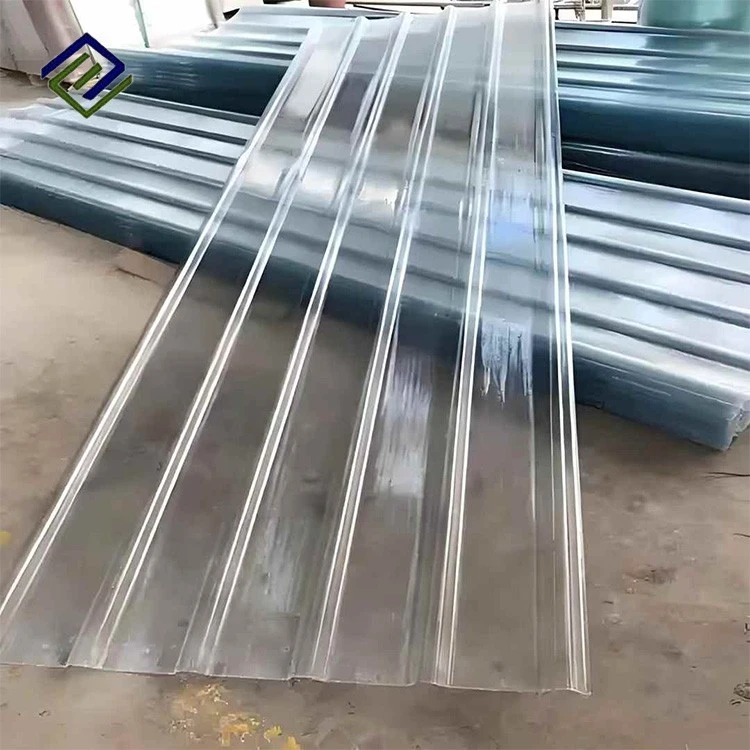
First off, what are frp transparent roof sheets? FRP stands for Fiberglass Reinforced Plastic. These sheets are made by combining fiberglass with a plastic resin, which gives them some pretty cool properties. They're lightweight, strong, and most importantly, they're transparent. This transparency allows natural light to flood into the building, which is a huge plus for educational institutions.
Benefits of Using FRP Transparent Roof Sheets in Educational Institutions
1. Natural Light
Natural light is like a magic potion for students and teachers alike. It helps improve mood, concentration, and overall well - being. When students are exposed to natural light, they tend to be more alert and engaged in the learning process. With FRP transparent roof sheets, classrooms can be filled with plenty of sunlight throughout the day. This reduces the need for artificial lighting during the daytime, which not only saves energy but also creates a more pleasant learning environment.
Imagine walking into a classroom with large, clear panels on the roof, letting in warm sunlight. It makes the space feel open, airy, and inviting. Students are more likely to feel comfortable and motivated to learn in such an environment.
2. Durability
Educational institutions have a lot of foot traffic and various activities going on. The roof needs to be able to withstand the test of time and different weather conditions. FRP transparent roof sheets are extremely durable. They can resist impact, which is great in case there are any accidental collisions with objects during outdoor activities or maintenance work.
They're also resistant to UV rays. UV rays can cause damage to materials over time, such as fading or weakening. But FRP sheets are designed to handle UV exposure without significant degradation. This means that the roof will look good and function well for many years to come.
3. Cost - Effective
When it comes to building or renovating an educational institution, cost is always a major consideration. FRP transparent roof sheets are relatively affordable compared to some other roofing materials. They're also easy to install, which can save on labor costs.
In addition, as mentioned earlier, the energy savings from reduced artificial lighting can add up over time. This makes them a cost - effective long - term solution for educational institutions.
4. Safety
Safety is of utmost importance in educational institutions. FRP transparent roof sheets are non - toxic and fire - resistant. In case of a fire, they won't release harmful fumes, which is crucial for the safety of students and staff. They also have a high impact resistance, reducing the risk of the roof breaking and causing injury.
Different Types of FRP Transparent Roof Sheets
There are several types of FRP transparent roof sheets that can be used in educational institutions.
FRP Plastic Transparent Roof Tiles
These tiles are a popular choice for roofing. They come in various shapes and sizes, making them easy to install on different roof designs. You can check out more about FRP Plastic Transparent Roof Tiles. They offer good transparency and are very durable. They can be used on the main roof of a school building or on smaller structures like sheds or outdoor classrooms.
FRP Fiberglass Daylighting Panels
These panels are designed specifically to maximize the amount of natural light that enters a building. They're larger in size compared to tiles and can cover a bigger area. FRP Fiberglass Daylighting Panels are great for large classrooms or halls where a lot of light is needed. They're also very strong and can handle different weather conditions.
FRP Skylight Roofing Tiles
Skylight roofing tiles are a great way to add a touch of style and functionality to a building. They can be used to create unique architectural features in an educational institution. FRP Skylight Roofing Tiles allow for a more focused stream of sunlight to enter a specific area, like a library or a study area.
Considerations When Using FRP Transparent Roof Sheets in Educational Institutions
1. Maintenance
While FRP transparent roof sheets are durable, they still require some maintenance. Regular cleaning is necessary to keep them looking clear and to ensure maximum light transmission. Dirt, dust, and debris can accumulate on the surface over time, reducing the amount of sunlight that gets through.
2. Design and Installation
Proper design and installation are crucial. The roof design should take into account factors like the slope of the roof, drainage, and the overall structural integrity of the building. It's important to work with experienced installers who know how to handle FRP sheets correctly. Incorrect installation can lead to issues like leaks or poor performance.
3. Aesthetics
The appearance of the roof is also important in an educational institution. The school's architecture and overall design should be considered when choosing the type of FRP sheets. The sheets should blend in well with the rest of the building and enhance its overall look.

Conclusion
So, can frp transparent roof sheets be used for educational institutions? Absolutely! They offer a wide range of benefits, from providing natural light and durability to being cost - effective and safe. With the different types available, there's a suitable option for every educational building.
If you're involved in the construction or renovation of an educational institution and are considering using FRP transparent roof sheets, I'd love to have a chat with you. We can discuss your specific needs, the best type of sheets for your project, and answer any questions you might have. Contact us to start the procurement process and make your educational institution a brighter and better place.
References
- "Fiberglass Reinforced Plastic (FRP) Materials: Properties and Applications" - A technical guide on FRP materials.
- "The Impact of Natural Light on Learning Environments" - Research on the benefits of natural light in educational settings.