

As a supplier of Corrugated PVC Resin Roof Panels, I've witnessed firsthand the growing popularity of these roofing solutions due to their versatility, cost - effectiveness, and aesthetic appeal. One question that frequently arises from our customers is how these panels perform in hail. In this blog, I'll delve into the scientific aspects of how Corrugated PVC Resin Roof Panels stand up to hailstorms.
Understanding Hail and Its Impact
Hail is formed when updrafts in thunderstorms carry raindrops upward into extremely cold areas of the atmosphere, where they freeze into ice. The size of hailstones can vary significantly, ranging from as small as a pea to as large as a softball. When hailstones fall from the sky, they carry kinetic energy, which is determined by their mass and velocity. The impact of this kinetic energy on a roof can cause damage, such as dents, cracks, or even punctures.
The Structure and Properties of Corrugated PVC Resin Roof Panels
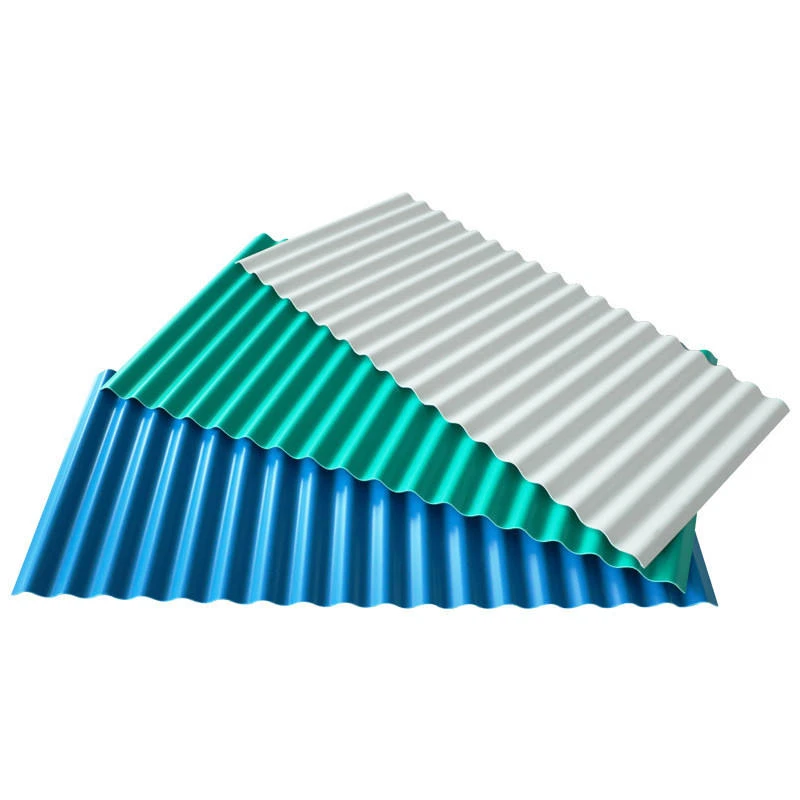
Corrugated PVC Resin Roof Panels are made from polyvinyl chloride (PVC), a synthetic plastic polymer. PVC is known for its durability, chemical resistance, and flexibility. The corrugated design of these panels adds to their strength. The ridges and valleys in the corrugation act as structural reinforcements, distributing the weight and impact forces more evenly across the panel.
The flexibility of PVC allows the panels to bend slightly upon impact, absorbing some of the energy from the hailstones. This is in contrast to more rigid roofing materials, like metal or ceramic tiles, which may crack or shatter under the same impact. Additionally, PVC has a relatively smooth surface, which can reduce the friction between the hailstones and the panel, minimizing the risk of scratches and abrasions.
Laboratory Testing and Real - World Performance
To assess the hail resistance of Corrugated PVC Resin Roof Panels, we rely on both laboratory testing and real - world data. In the laboratory, we subject the panels to simulated hail impacts using specialized equipment. These tests involve firing ice balls of different sizes and velocities at the panels to mimic real - life hailstorms.
The results of these tests have shown that our Corrugated PVC Resin Roof Panels can withstand impacts from hailstones up to a certain size without significant damage. Smaller hailstones, similar in size to peas or marbles, typically cause only minor cosmetic damage, such as small dents or surface scratches. Larger hailstones, however, can pose a greater challenge.
In real - world scenarios, we've received feedback from customers who have experienced hailstorms. Many have reported that their Corrugated PVC Resin Roof Panels have held up well, with only minimal damage. For example, in areas with moderate hailstorms, the panels have continued to provide reliable protection for their buildings, even after multiple storms.
Factors Affecting Hail Performance
Several factors can affect how well Corrugated PVC Resin Roof Panels perform in hail. The thickness of the panel is one of the most important factors. Thicker panels generally offer better hail resistance because they have more material to absorb the impact energy. Our Wave PVC Plastic Roof Sheets come in different thicknesses, allowing customers to choose the option that best suits their local hail conditions.
The installation quality also plays a crucial role. Properly installed panels are more likely to withstand hail impacts. If the panels are not secured correctly or if there are gaps between the panels, the hailstones may be able to penetrate the roof more easily. It's important to follow the manufacturer's installation instructions carefully to ensure optimal performance.
The age and condition of the panels can also impact their hail resistance. Over time, exposure to sunlight, heat, and other environmental factors can cause the PVC to degrade slightly. Regular maintenance, such as cleaning the panels and inspecting for any signs of damage, can help extend the lifespan of the panels and maintain their hail - resistant properties.

Comparing with Other Roofing Materials
When comparing Corrugated PVC Resin Roof Panels with other roofing materials in terms of hail resistance, they have several advantages. As mentioned earlier, compared to rigid materials like metal or ceramic tiles, PVC panels are more flexible and less likely to crack or shatter. Metal roofs can dent easily under hail impact, and the dents can lead to rusting over time. Ceramic tiles are brittle and may break into pieces, leaving the roof vulnerable to water damage.
On the other hand, asphalt shingles can also be damaged by hail. Hailstones can tear or dislodge the shingles, reducing the roof's ability to protect the building from the elements. In contrast, Corrugated PVC Resin Roof Panels offer a more consistent and long - lasting hail resistance.
Applications and Suitability
Corrugated PVC Resin Roof Panels are suitable for a wide range of applications, including residential, commercial, and agricultural buildings. In areas prone to hailstorms, these panels can provide an excellent alternative to traditional roofing materials. For example, in agricultural settings, they can protect barns, greenhouses, and storage facilities from hail damage. In residential construction, they can enhance the durability and aesthetics of homes.
Our Wave Corrugated PVC Roof Tiles are a popular choice for homeowners who want a more decorative look while still benefiting from the hail - resistant properties of PVC. The wave - like design adds a unique visual appeal to the roof, making it stand out.
Conclusion
In conclusion, Corrugated PVC Resin Roof Panels offer good performance in hail due to their unique structure and properties. The flexibility of PVC, combined with the corrugated design, allows the panels to absorb and distribute the impact energy from hailstones effectively. Laboratory testing and real - world experience have shown that these panels can withstand a range of hail sizes with minimal damage.
However, it's important to consider factors such as panel thickness, installation quality, and maintenance when choosing Corrugated PVC Resin Roof Panels for hail - prone areas. By selecting the right product and ensuring proper installation and care, you can enjoy a durable and hail - resistant roof for many years.
If you're interested in learning more about our Corrugated PVC Resin Roof Panels or would like to discuss your specific roofing needs, we invite you to contact us for a procurement consultation. We're here to help you make the best decision for your building.
References
- ASTM International. (20XX). Standard test methods for impact resistance of flat rigid plastic specimens by free - falling dart.
- National Roofing Contractors Association. (20XX). Roofing materials and their performance in extreme weather conditions.