

Cutting wave PVC roof sheets is a crucial skill for anyone involved in roofing projects. As a supplier of high - quality wave PVC roof sheets, I understand the importance of providing clear guidance on how to cut these sheets effectively. In this blog, I'll share some professional tips and techniques to help you achieve clean and accurate cuts.
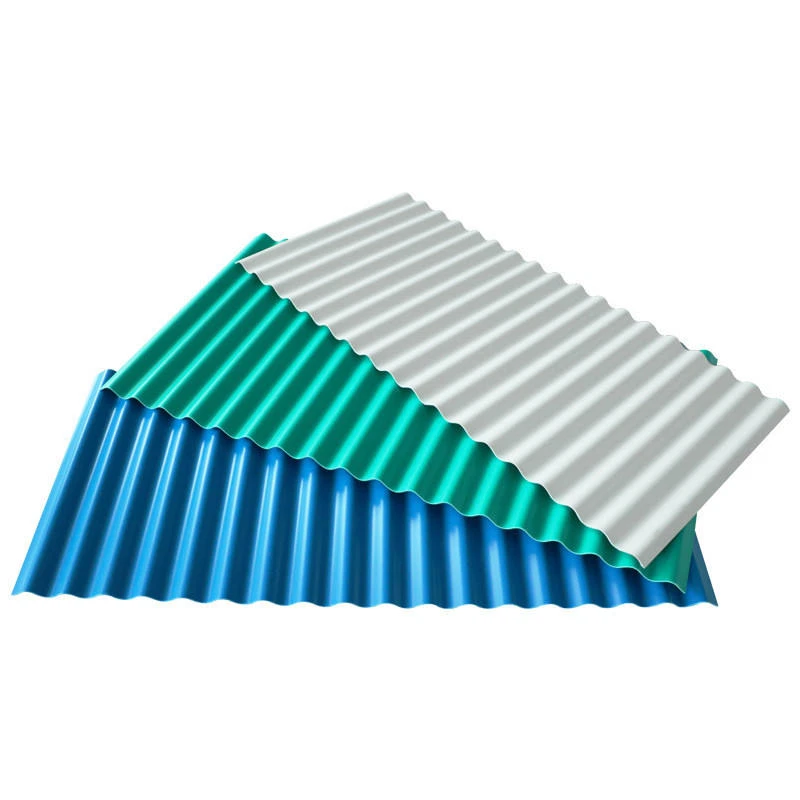

Understanding Wave PVC Roof Sheets
Before we delve into the cutting process, it's essential to have a good understanding of wave PVC roof sheets. These sheets are made from polyvinyl chloride (PVC), a durable and lightweight material. They come in various wave patterns and sizes, offering excellent weather resistance, UV protection, and insulation properties. Our product range includes Round Wave UPVC Roof Tile, Wave Corrugated PVC Roof Tiles, and Wave PVC Plastic Roof Sheets, each designed to meet different roofing needs.
Tools Required for Cutting
To cut wave PVC roof sheets, you'll need the right tools. Here are some commonly used tools:
- Circular Saw: A circular saw is a popular choice for cutting PVC roof sheets. It can make straight cuts quickly and accurately. Make sure to use a fine - tooth blade designed for cutting plastic materials to avoid chipping or melting the PVC.
- Jigsaw: A jigsaw is ideal for making curved or irregular cuts. It offers more flexibility than a circular saw, allowing you to create custom shapes. Similar to the circular saw, use a blade suitable for plastic.
- Hacksaw: For smaller projects or when you need to make precise cuts, a hacksaw can be a handy tool. It's slower than power tools but provides more control.
- Tin Snips: Tin snips are useful for cutting thin - gauge PVC sheets. They are easy to use and can make quick cuts, especially for small pieces.
Safety Precautions
Safety should always be your top priority when cutting wave PVC roof sheets. Here are some safety precautions to follow:
- Wear Protective Gear: Put on safety glasses to protect your eyes from flying debris, gloves to prevent cuts, and a dust mask if cutting generates a lot of dust.
- Work in a Well - Ventilated Area: Cutting PVC can release fumes, especially when using power tools. Make sure your workspace is well - ventilated to avoid inhaling harmful gases.
- Secure the Sheet: Before cutting, secure the PVC roof sheet firmly to prevent it from moving. You can use clamps or a workbench with a vise.
- Follow Tool Instructions: Read and follow the manufacturer's instructions for all tools you use. This will help you operate them safely and effectively.
Cutting Techniques
Straight Cuts
- Mark the Cut Line: Use a measuring tape and a straightedge to mark the cut line on the PVC roof sheet. Make sure the mark is clear and accurate.
- Set Up the Tool: If using a circular saw, adjust the blade depth to slightly deeper than the thickness of the PVC sheet. For a jigsaw, select the appropriate blade and set the speed according to the thickness of the material.
- Make the Cut: Start the tool and slowly guide it along the marked cut line. Keep a steady hand and maintain a consistent speed. If using a circular saw, let the saw do the work and avoid forcing it through the material.
Curved Cuts
- Draw the Curve: Use a flexible curve template or draw the desired curve directly on the PVC sheet using a pencil.
- Prepare the Jigsaw: Insert a blade suitable for cutting curves into the jigsaw. Make sure the blade is sharp.
- Cut the Curve: Start the jigsaw and carefully follow the drawn curve. Move the jigsaw slowly and smoothly to ensure a clean cut.
Cutting Holes
- Mark the Hole Location: Use a compass or a template to mark the location and size of the hole on the PVC sheet.
- Drill a Starter Hole: Use a drill bit slightly smaller than the diameter of the hole you want to cut. Drill a starter hole at the center of the marked circle.
- Use a Hole Saw or Jigsaw: If the hole is relatively large, a hole saw can be used. Insert the hole saw into the drill and align it with the starter hole. Slowly drill through the PVC sheet. For irregular - shaped holes, a jigsaw can be used to cut along the marked line starting from the starter hole.
Finishing the Cut
After cutting the wave PVC roof sheet, you may need to finish the cut edge to ensure a smooth and professional look. You can use sandpaper to smooth any rough edges or burrs. Start with a coarse - grit sandpaper and then switch to a fine - grit sandpaper for a smoother finish.
Troubleshooting
- Chipping or Melting: If you notice chipping or melting during cutting, it may be due to a dull blade or incorrect cutting speed. Replace the blade with a sharp one and adjust the cutting speed according to the material thickness.
- Uneven Cuts: Uneven cuts can be caused by an unstable work surface or improper tool handling. Make sure the sheet is securely fastened and guide the tool steadily along the cut line.
Conclusion
Cutting wave PVC roof sheets doesn't have to be a difficult task. By using the right tools, following safety precautions, and applying the proper cutting techniques, you can achieve clean and accurate cuts. As a wave PVC roof sheet supplier, we are committed to providing high - quality products and valuable information to our customers. If you have any questions about our products or need further guidance on cutting wave PVC roof sheets, please feel free to contact us for more details and to discuss your procurement needs. We look forward to working with you on your next roofing project.
References
- "PVC Roofing Installation Guide" - General roofing industry publication.
- Tool manufacturer's manuals for circular saws, jigsaws, and other cutting tools.