

As a supplier of Round Wave UPVC Roof Tiles, one of the frequently asked questions I encounter is about their fire rating. Understanding the fire rating of roofing materials is crucial for ensuring the safety of buildings and their occupants. In this blog post, I'll delve into what the fire rating of Round Wave UPVC Roof Tiles means, how it's determined, and why it matters.
What is a Fire Rating?
A fire rating is a classification that indicates a material's performance during a fire. It provides valuable information about how the material will behave when exposed to heat, flames, and smoke. Fire ratings are determined through standardized tests conducted in accredited laboratories. These tests evaluate various aspects such as the material's ability to resist ignition, spread of flames, and release of smoke.
For roofing materials like Round Wave UPVC Roof Tiles, the fire rating gives architects, builders, and homeowners an idea of how well the tiles will protect the building from fire. It helps in making informed decisions about the roofing system, especially in areas with high fire risks or where building codes have specific fire safety requirements.
How is the Fire Rating of Round Wave UPVC Roof Tiles Determined?
The fire rating of Round Wave UPVC Roof Tiles is typically determined using tests that measure the surface burning characteristics of the material. One of the most common tests used in the United States is the ASTM E84 test, also known as the Steiner Tunnel Test.
In the ASTM E84 test, a sample of the roofing material is placed in a tunnel and exposed to a controlled fire source. The test measures the rate at which flames spread across the surface of the material and the amount of smoke generated. Based on the results of the test, the material is assigned a Flame Spread Index (FSI) and a Smoke Developed Index (SDI).

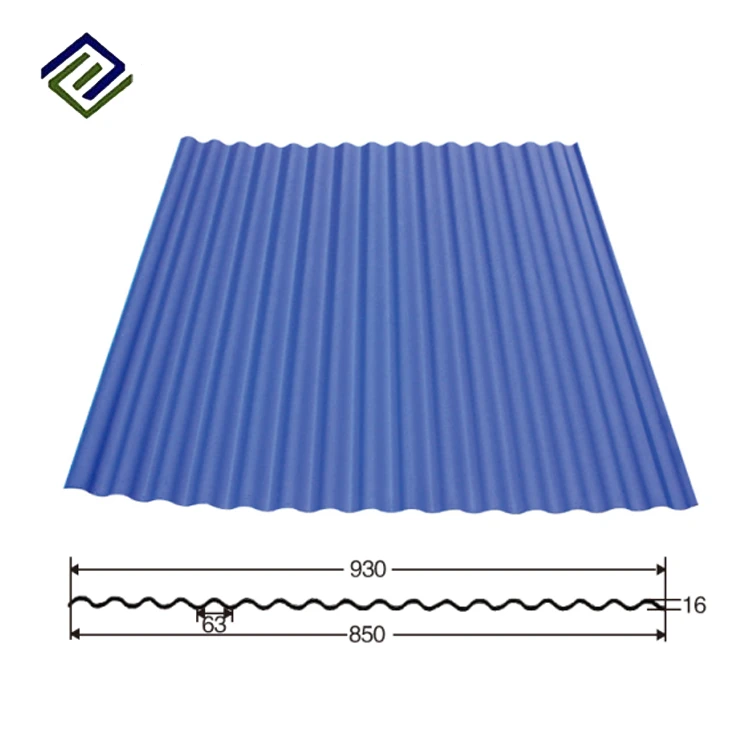
The Flame Spread Index ranges from 0 to 1000, with lower values indicating better fire performance. Materials with an FSI of 0 are non - combustible, while those with a high FSI can contribute to the rapid spread of fire. The Smoke Developed Index measures the amount of smoke produced during the test, with lower values being more desirable.
Round Wave UPVC Roof Tiles are engineered to achieve a satisfactory fire rating. The UPVC (Unplasticized Polyvinyl Chloride) material used in these tiles has inherent fire - resistant properties. UPVC contains chlorine, which acts as a flame retardant. When exposed to fire, the chlorine in UPVC releases hydrochloric acid gas, which can help to suppress the flames and slow down the spread of fire.
Importance of Fire Rating for Round Wave UPVC Roof Tiles
The fire rating of Round Wave UPVC Roof Tiles is important for several reasons. Firstly, it enhances the safety of the building. In the event of a fire, a roof with a good fire rating can prevent the spread of flames from the outside to the inside of the building, giving occupants more time to evacuate safely.
Secondly, many building codes and regulations require roofing materials to meet certain fire rating standards. By choosing Round Wave UPVC Roof Tiles with an appropriate fire rating, builders and homeowners can ensure that their construction projects comply with local building codes. This can prevent costly delays and fines during the construction process.
Thirdly, a good fire rating can increase the value of the property. Insurance companies often offer lower premiums for buildings with fire - resistant roofing materials. This is because the risk of fire damage is reduced, which means lower potential claims for the insurance company.
Comparing Round Wave UPVC Roof Tiles with Other Roofing Materials
When comparing the fire rating of Round Wave UPVC Roof Tiles with other roofing materials, it's clear that they offer a competitive advantage. For example, compared to traditional asphalt shingles, Round Wave UPVC Roof Tiles generally have a lower Flame Spread Index. Asphalt shingles can be more prone to ignition and can contribute to the rapid spread of fire, especially if they are old or damaged.
Wave PVC Plastic Roof Sheets are another type of roofing material in the same category. While they share some similarities with Round Wave UPVC Roof Tiles, the round wave design of our tiles offers additional benefits in terms of water runoff and durability. And in terms of fire rating, both materials are engineered to meet high - quality fire safety standards.
Corrugated PVC Resin Roof Panels are also comparable. However, the unique composition and manufacturing process of Round Wave UPVC Roof Tiles ensure that they maintain a consistent and reliable fire rating. The UPVC material is formulated to resist heat and flames effectively, making it a safe choice for roofing applications.
Factors Affecting the Fire Rating of Round Wave UPVC Roof Tiles
While Round Wave UPVC Roof Tiles have good fire - resistant properties, there are some factors that can affect their fire rating. One of the main factors is the installation method. Proper installation is crucial for maintaining the fire performance of the tiles. If the tiles are not installed correctly, there may be gaps or spaces that can allow fire and smoke to penetrate the roof.
The age and condition of the tiles also play a role. Over time, exposure to the elements can cause the tiles to degrade, which may affect their fire - resistant properties. Regular maintenance and inspections can help to ensure that the tiles remain in good condition and maintain their fire rating.
Conclusion
In conclusion, the fire rating of Round Wave UPVC Roof Tiles is an important consideration for anyone looking to install a new roof or replace an existing one. These tiles offer a high level of fire resistance, thanks to the inherent properties of the UPVC material and the strict testing procedures they undergo.
By choosing Round Wave UPVC Roof Tile, you can enhance the safety of your building, comply with building codes, and potentially save on insurance costs. If you're interested in learning more about our Round Wave UPVC Roof Tiles or are considering a purchase for your next roofing project, I encourage you to reach out to us for a consultation. We can provide you with detailed information about the fire rating, other features, and specifications of our products to help you make an informed decision.
References
- ASTM International. (Year). Standard Test Method for Surface Burning Characteristics of Building Materials (ASTM E84).
- National Fire Protection Association. (Year). Fire Protection Handbook.