

In the realm of roofing materials, the heat reflection performance of roofing products is a crucial factor that significantly impacts energy efficiency, indoor comfort, and the overall lifespan of a building. As a supplier of Round Wave UPVC Roof Tiles, I am often asked about the heat reflection capabilities of our product. In this blog, I will delve into the science behind the heat reflection performance of Round Wave UPVC Roof Tiles, explaining how they work and why they are an excellent choice for various roofing applications.
Understanding Heat Reflection
Before we discuss the heat reflection performance of Round Wave UPVC Roof Tiles, it's essential to understand the concept of heat reflection. When sunlight hits a roof, it transfers energy in the form of heat. Some of this heat is absorbed by the roof material, while the rest is either reflected back into the atmosphere or radiated away. A roof with high heat reflection properties can reflect a significant portion of the sun's energy, reducing the amount of heat absorbed by the building. This, in turn, helps to keep the interior cooler, reduces the demand for air conditioning, and lowers energy costs.

The Science Behind Round Wave UPVC Roof Tiles' Heat Reflection
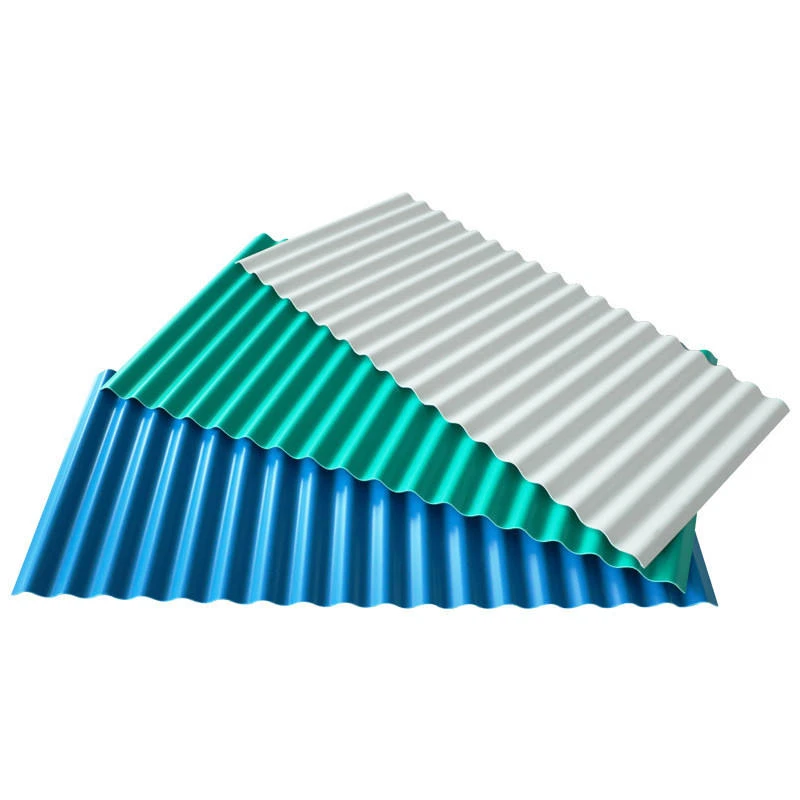
Round Wave UPVC Roof Tiles are made from unplasticized polyvinyl chloride (UPVC), a durable and lightweight material known for its excellent weather resistance and low thermal conductivity. The unique round wave design of these tiles plays a crucial role in enhancing their heat reflection performance.
The curved surface of the round waves increases the surface area of the tile exposed to sunlight. This larger surface area allows for more efficient reflection of solar radiation. When sunlight hits the curved surface of the tile, it is scattered in multiple directions, reducing the amount of direct heat absorption. Additionally, the air pockets created by the wave design act as insulators, further reducing heat transfer from the roof to the interior of the building.
Moreover, the UPVC material used in Round Wave UPVC Roof Tiles can be formulated with special additives to enhance its heat reflection properties. These additives are designed to reflect a specific range of solar wavelengths, including infrared radiation, which is responsible for a significant portion of the heat transferred by sunlight. By reflecting infrared radiation, the tiles can effectively reduce the amount of heat absorbed by the roof and the building.
Benefits of High Heat Reflection Performance
The high heat reflection performance of Round Wave UPVC Roof Tiles offers several benefits for both residential and commercial buildings:
Energy Efficiency
By reflecting a significant portion of the sun's energy, Round Wave UPVC Roof Tiles can reduce the amount of heat absorbed by the building, leading to lower indoor temperatures. This, in turn, reduces the demand for air conditioning, resulting in significant energy savings. According to studies, buildings with high-reflectivity roofs can experience up to 20% reduction in cooling energy consumption.
Improved Indoor Comfort
Lower indoor temperatures mean a more comfortable living or working environment. With Round Wave UPVC Roof Tiles, occupants can enjoy a cooler and more pleasant indoor climate, even during hot summer months. This can improve productivity in commercial buildings and enhance the quality of life in residential homes.
Extended Roof Lifespan
Excessive heat can cause roofing materials to expand and contract, leading to premature aging and damage. By reducing the amount of heat absorbed by the roof, Round Wave UPVC Roof Tiles can help to extend the lifespan of the roof. The tiles' durability and resistance to heat-related damage ensure that they can withstand the test of time, providing long-lasting protection for your building.
Environmental Sustainability
Reducing energy consumption not only saves money but also helps to reduce the environmental impact of buildings. By using Round Wave UPVC Roof Tiles, you can contribute to a more sustainable future by reducing greenhouse gas emissions associated with energy production.
Comparing Round Wave UPVC Roof Tiles with Other Roofing Materials
When it comes to heat reflection performance, Round Wave UPVC Roof Tiles offer several advantages over traditional roofing materials such as asphalt shingles, metal roofs, and clay tiles.
Asphalt Shingles
Asphalt shingles are one of the most commonly used roofing materials in the United States. However, they have relatively low heat reflection properties, which means they absorb a significant amount of heat from the sun. This can lead to higher indoor temperatures and increased energy consumption. In contrast, Round Wave UPVC Roof Tiles have a much higher solar reflectance, making them a more energy-efficient choice.
Metal Roofs
Metal roofs are known for their durability and energy efficiency. However, they can also be prone to heat absorption, especially if they are not properly insulated. Round Wave UPVC Roof Tiles, on the other hand, have a lower thermal conductivity and a higher solar reflectance, which means they can effectively reduce heat transfer and keep the interior of the building cooler.
Clay Tiles
Clay tiles are a popular choice for their aesthetic appeal and durability. However, they are heavy and can be expensive to install. Additionally, they have relatively low heat reflection properties, which means they can absorb a significant amount of heat from the sun. Round Wave UPVC Roof Tiles offer a lightweight and cost-effective alternative to clay tiles, with superior heat reflection performance.
Applications of Round Wave UPVC Roof Tiles
Round Wave UPVC Roof Tiles are suitable for a wide range of roofing applications, including residential homes, commercial buildings, agricultural structures, and industrial facilities. Their versatility, durability, and energy efficiency make them an ideal choice for any building that requires reliable and cost-effective roofing solutions.
In residential applications, Round Wave UPVC Roof Tiles can enhance the curb appeal of a home while providing excellent protection against the elements. Their high heat reflection performance can also help to reduce energy costs and improve indoor comfort, making them a popular choice among homeowners.
In commercial and industrial applications, Round Wave UPVC Roof Tiles can provide long-lasting protection for large buildings. Their lightweight design and easy installation make them a cost-effective solution for roofing projects of all sizes. Additionally, their energy efficiency can help to reduce operating costs and improve the sustainability of the building.
Conclusion
As a supplier of Round Wave UPVC Roof Tiles, I am proud to offer a product that combines excellent heat reflection performance with durability, versatility, and cost-effectiveness. Our Round Wave UPVC Roof Tiles are designed to meet the needs of a wide range of roofing applications, providing reliable protection and energy savings for your building.
If you are interested in learning more about our Round Wave UPVC Roof Tiles or would like to discuss your roofing needs, please feel free to contact us. We would be happy to provide you with more information and help you find the right roofing solution for your project.
To explore our other related products, you can visit the following links:
Wave Corrugated PVC Roof Tiles
Corrugated PVC Resin Roof Panels
Round Wave UPVC Roof Tile
References
- ASHRAE Handbook of Fundamentals. American Society of Heating, Refrigerating and Air-Conditioning Engineers.
- Cool Roof Rating Council. "Cool Roof Rating Council Criteria for the Voluntary Labeling of Roof Products."
Please note that the links provided are for illustrative purposes only, and you should replace them with the actual links to your company's products. Also, you may need to adjust the content based on the specific features and benefits of your Round Wave UPVC Roof Tiles.