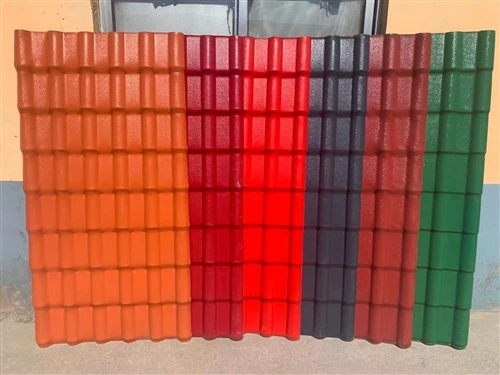
What are resin tiles? Synthetic resin tiles are manufactured using advanced co-extrusion technology, featuring a top layer made of highly weather-resistant engineering resin (ASA). They not only retain the three-dimensional, traditional aesthetic of antique-style roofing but also offer a comprehensive upgrade in performance.
Why have they become so popular? Here are four key advantages:
Exceptional weather resistance and long-lasting color: The ASA material on the surface provides superior resistance to UV radiation and harsh weather conditions. Even after years of exposure to sun and rain, the tiles retain their vibrant color without fading or becoming brittle; high-quality products can last anywhere from 20 to 30 years.
Lightweight, durable, and fast to install: Compared to heavy traditional clay or ceramic tiles, resin tiles are lightweight, significantly reducing the load on a building's structure. Furthermore, they are typically designed as large-format sheets, which allows for highly efficient installation-saving on labor costs and shortening construction timelines-making them an ideal choice for those looking to move in quickly or complete a renovation.
Corrosion-resistant, insulating, and sound-dampening: Resin tiles offer excellent corrosion resistance, making them particularly well-suited for coastal areas with high salt-mist exposure. Their multi-layered structure also provides effective thermal and acoustic insulation; unlike metal roofing, which can create a loud "patter" during rain, these tiles ensure a quieter interior environment.
Fire-resistant, waterproof, and reliable: Classified as a flame-retardant material, these tiles offer outstanding fire safety. Their large surface area and minimal number of seams provide superior inherent waterproofing compared to traditional, smaller tiles, effectively preventing the common issue of leaks during heavy rain.
Where are they used?
Rural self-built homes and villas: Their antique-style appearance enhances the aesthetic appeal and overall quality of the structure.
Flat-to-pitched roof conversions: An ideal lightweight material for retrofitting the roofs of older buildings.
Factories and warehouses: Their high corrosion resistance makes them particularly suitable for chemical processing facilities and agricultural structures (such as livestock farms).
Gardens and scenic areas: They blend perfectly with traditional-style architecture while requiring minimal maintenance. Helpful Tip: When purchasing resin roof tiles, it is advisable to prioritize products that meet thickness standards (typically 2.5mm–3.0mm) and come from reputable brands. Although the initial cost may be slightly higher than that of standard colored steel tiles, the long service life-spanning several decades-and the lack of maintenance requirements make them a more cost-effective "long-term investment."